


Reading a
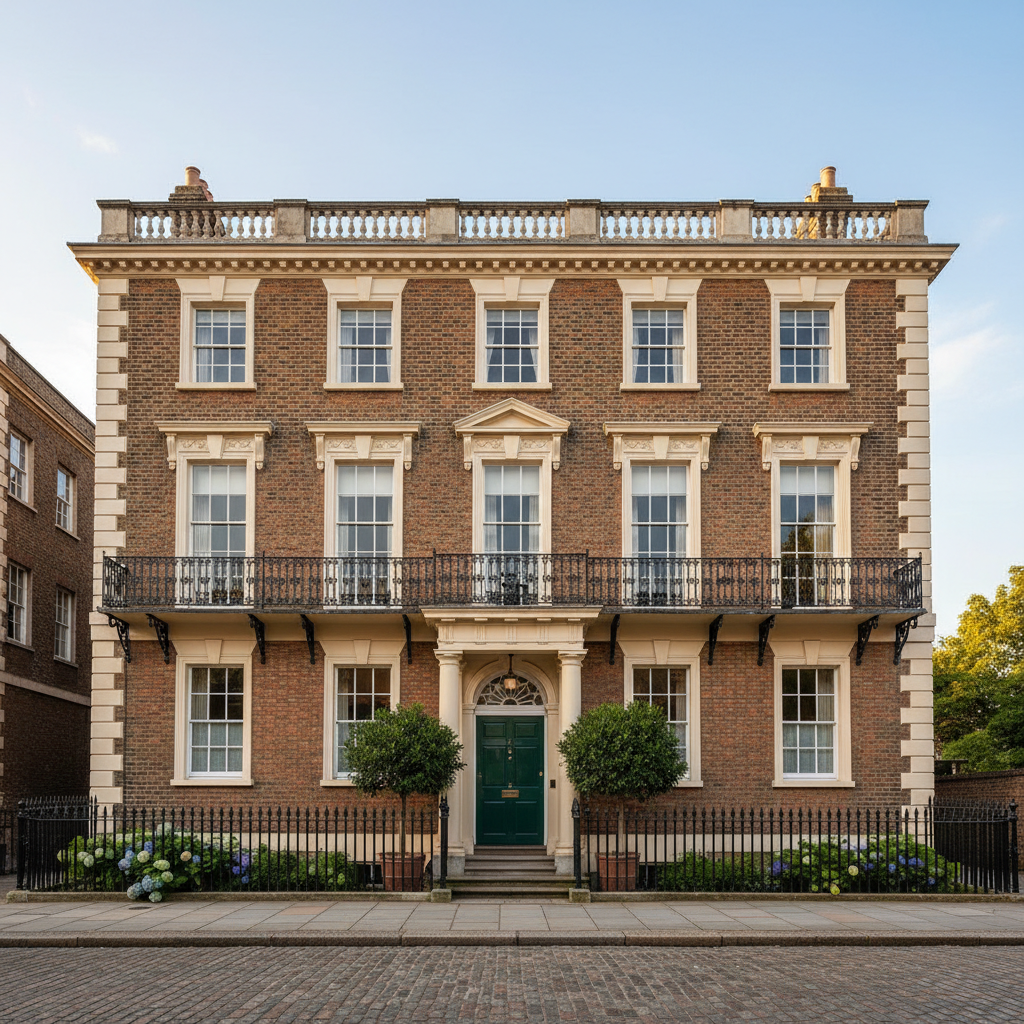
Georgian façade
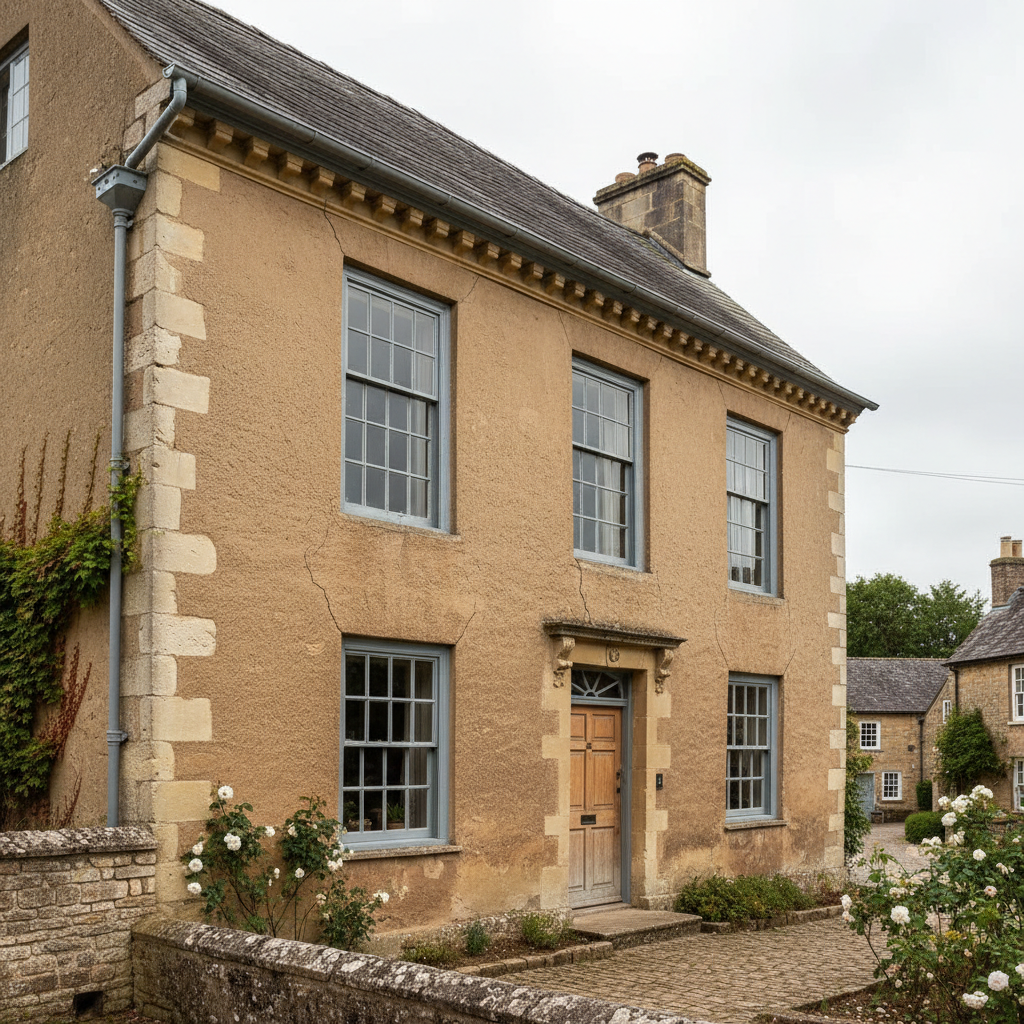
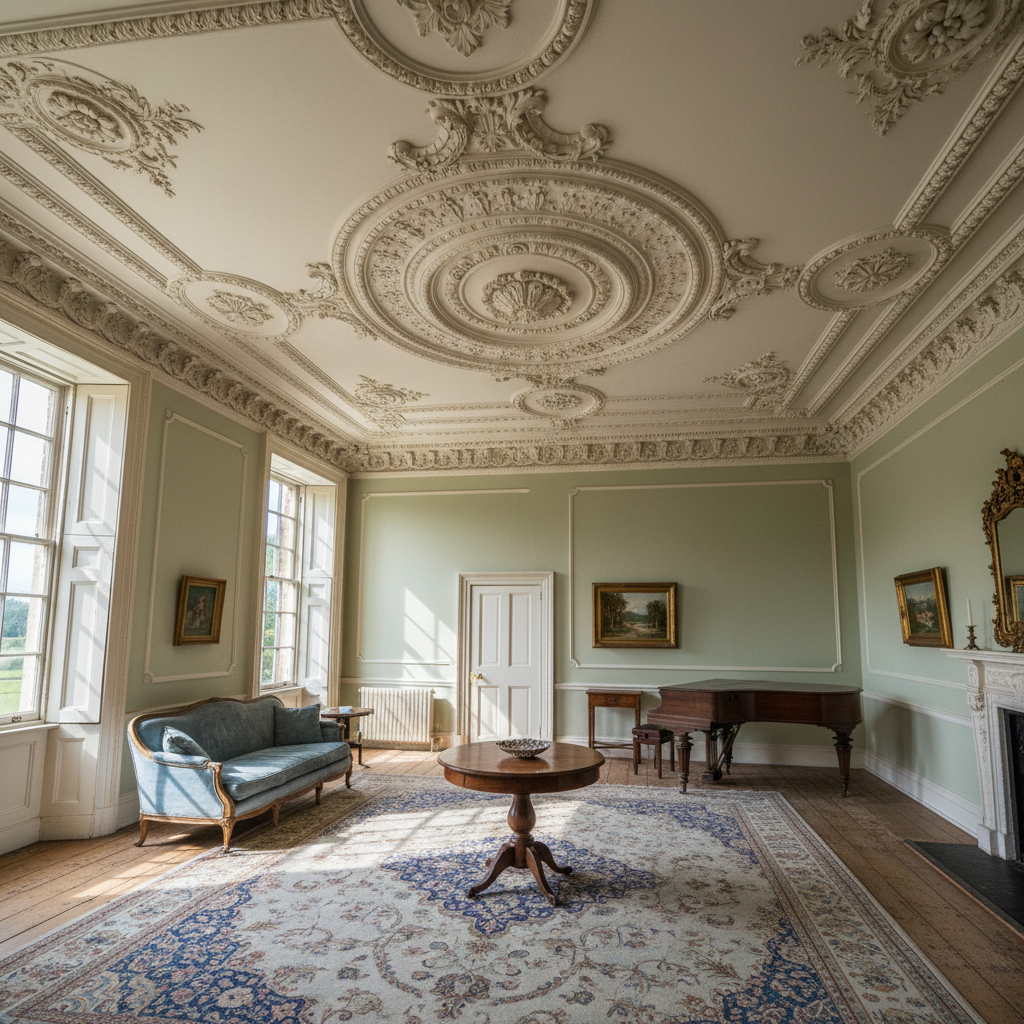
Every element of an eighteenth-century front elevation tells a story of craft, status, and regulation. Hover each layer to understand what you own.
"Note proportions of window to wall — key indicator of build date"
Not sure which elements of your property are original? A Cornice survey maps every surviving feature.
Request a fabric surveyBefore the
right repair,
the wrong one
Seventy years of well-meaning interventions — cement pointing, uPVC windows, chemical damp treatments — have done more damage to Georgian buildings than two centuries of weather. Cornice identifies what needs undoing before recommending what to do.
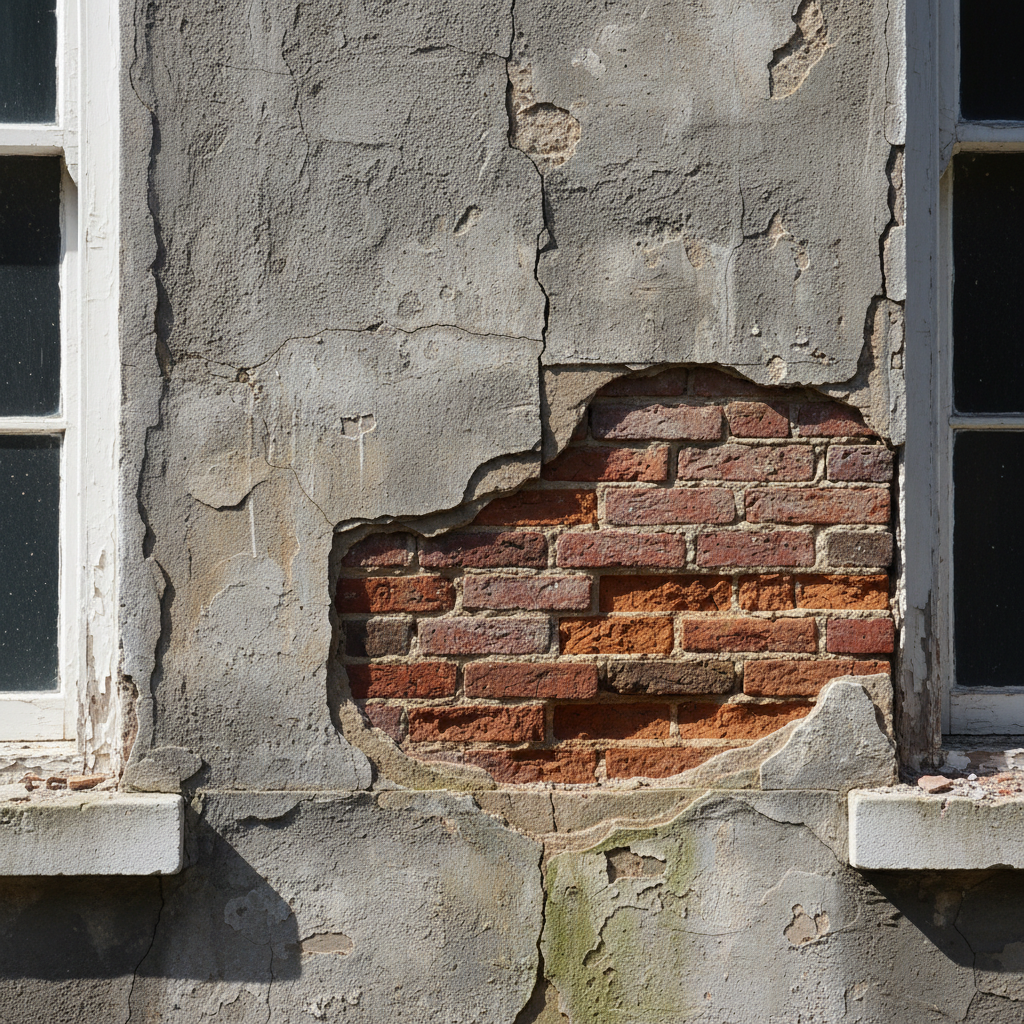
Cement render trapping damp — 1970s intervention
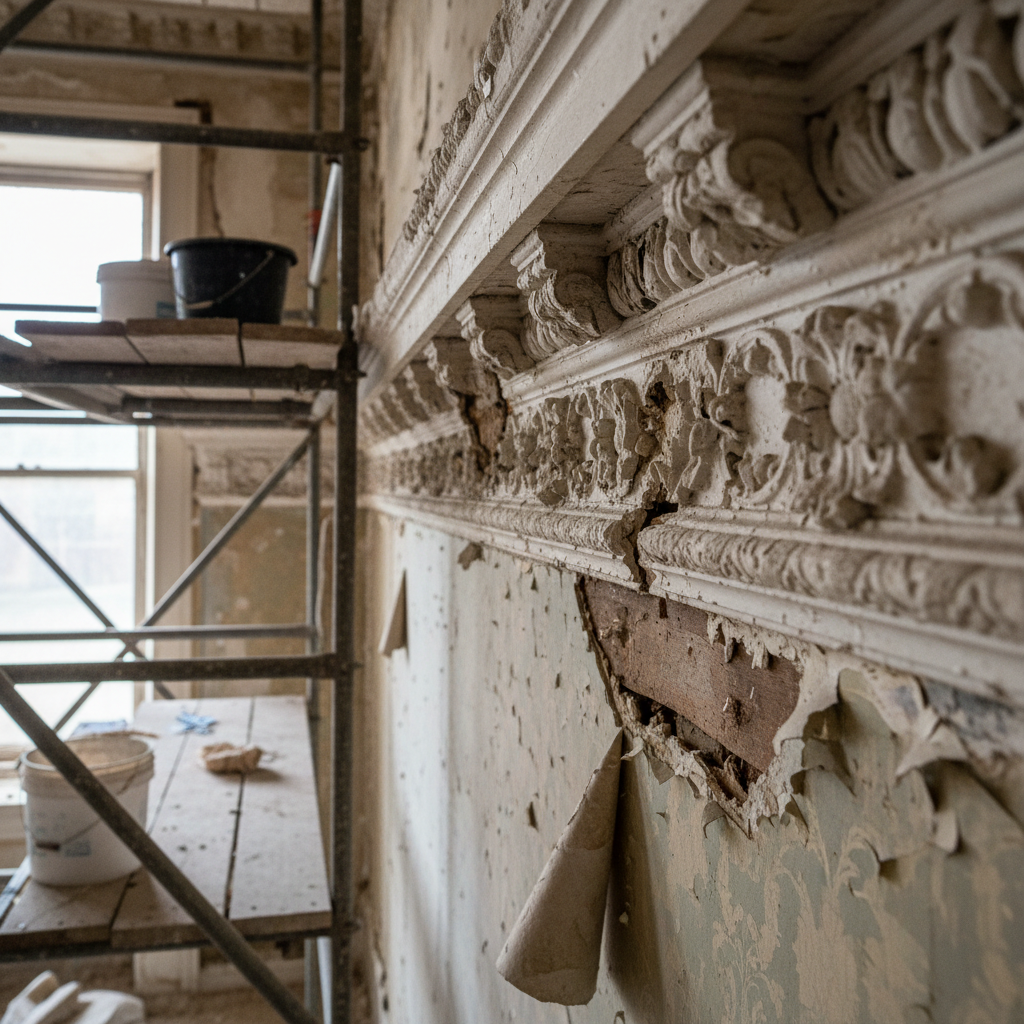
Run-in-place cornice, cracked and painted over six times
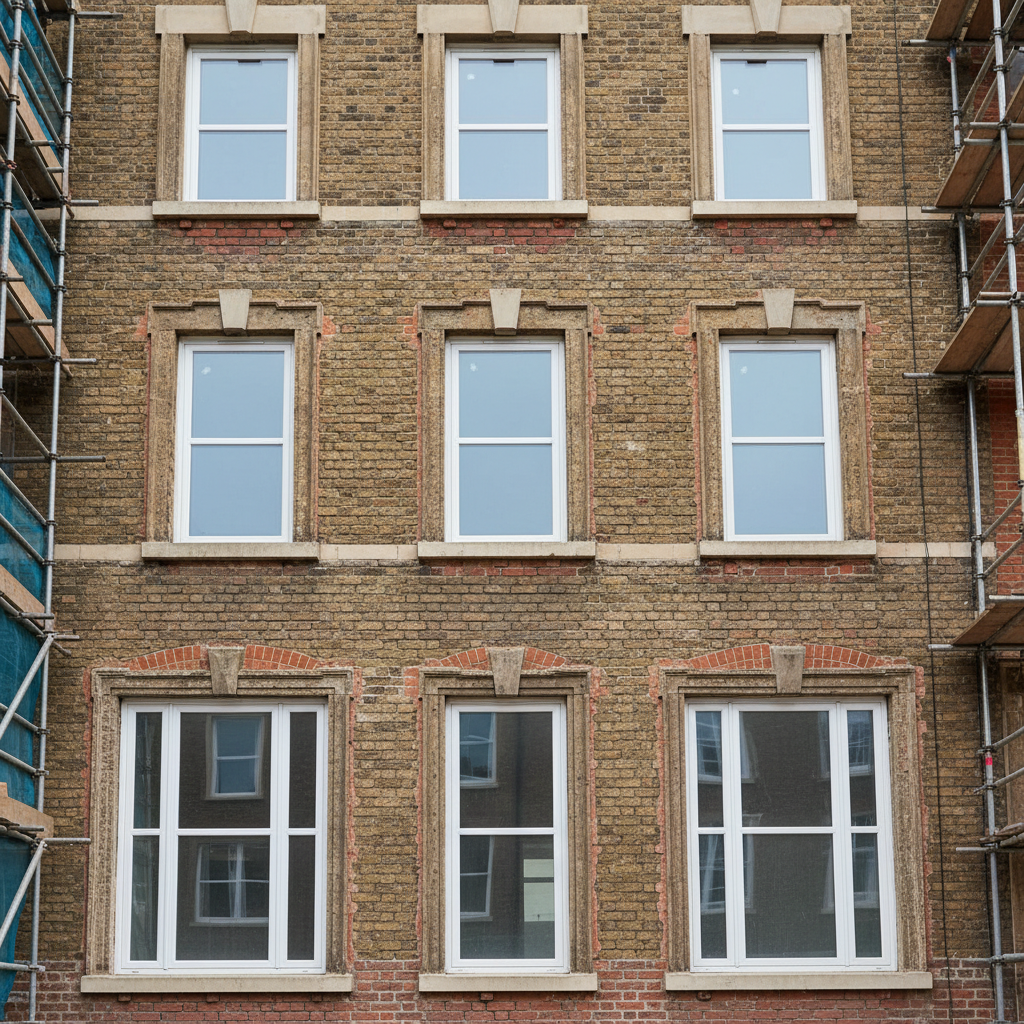
uPVC replacement — box frame removed, glazing bars lost
What hides
behind the plaster
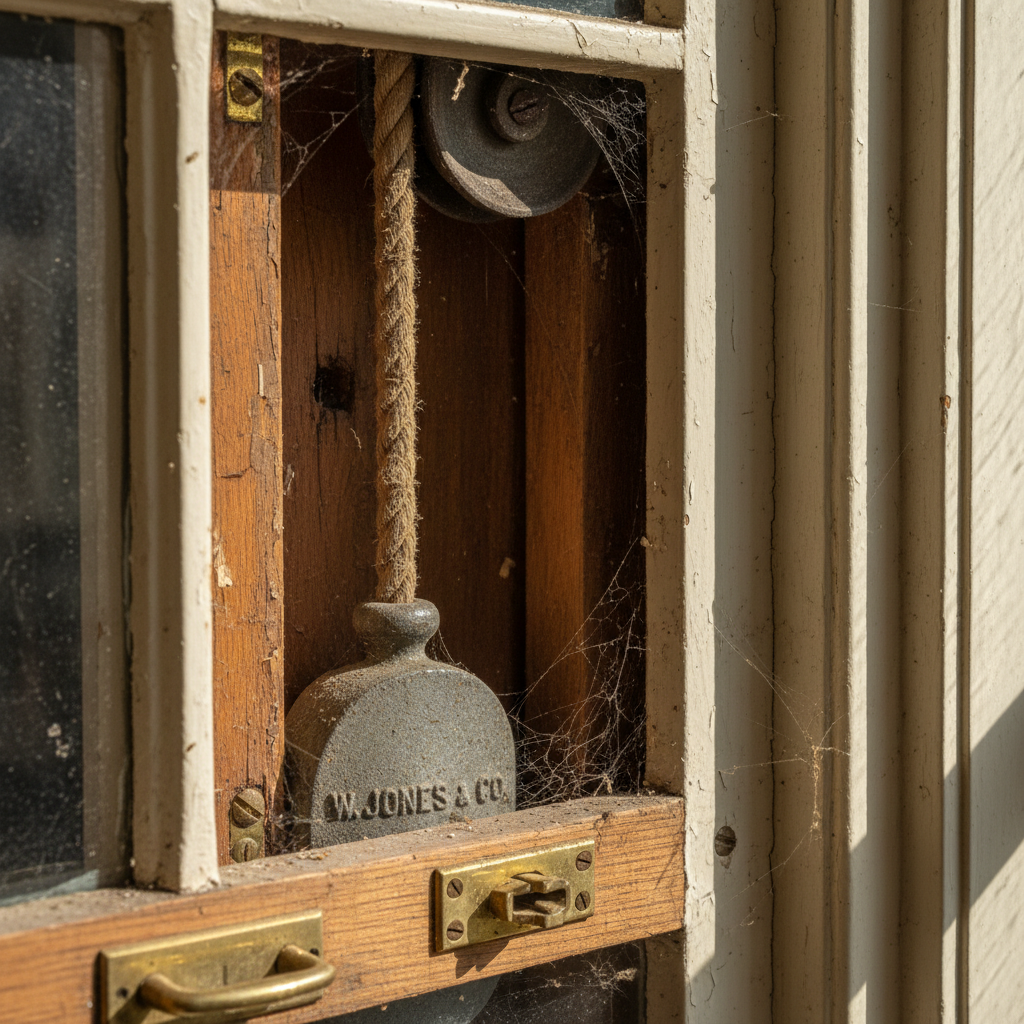
A Bloomsbury townhouse, c.1794. Three surveys, three discoveries. Click each annotation to reveal what was found.
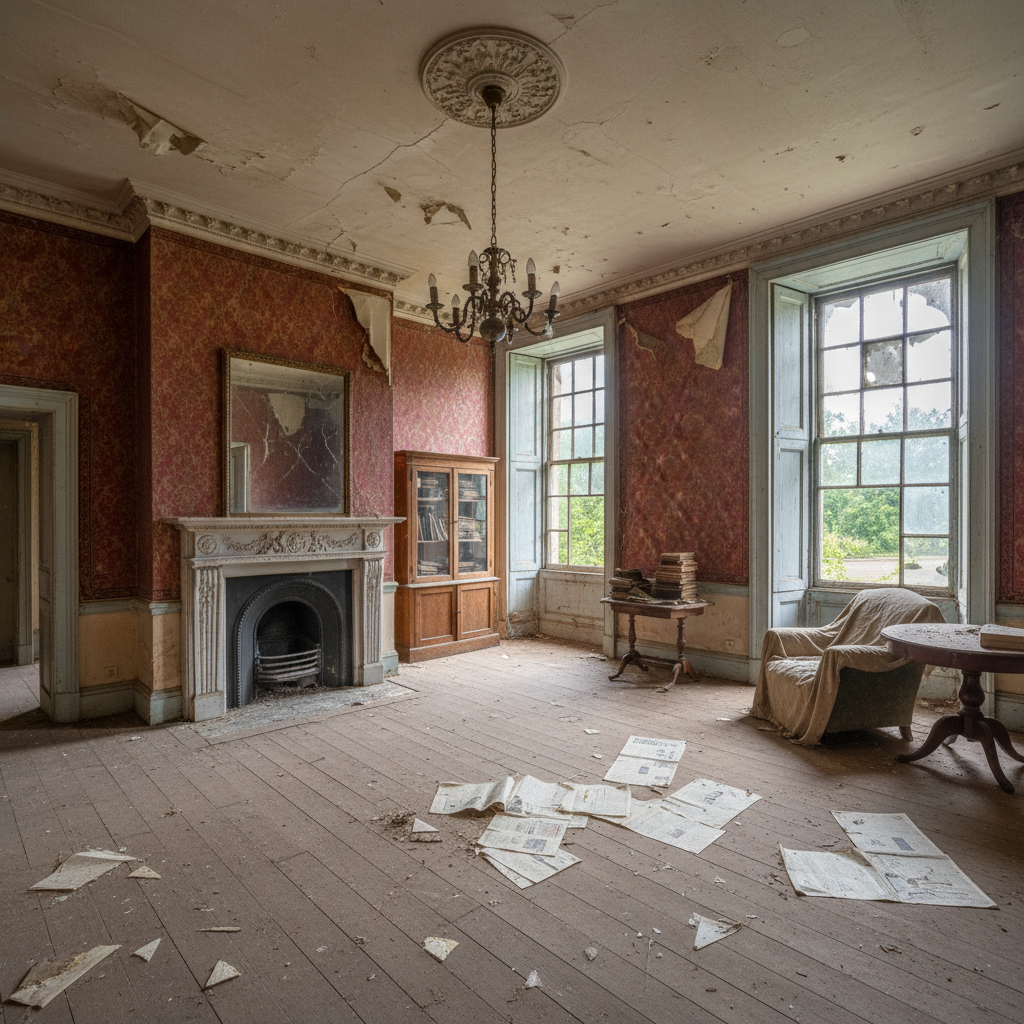
"We had no idea the shutters existed. Finding them was like discovering the house had been holding its breath for sixty years."
What Cornice
does for you
Building Fabric Survey
A systematic record of every original material, detail, and intervention — the document your Listed Building Consent application cannot do without.
- Lime mortar analysis
- Joinery condition schedule
- Photographic record
- Heritage significance assessment
Listed Building Consent
Navigating the consent process from pre-application advice through to decision — so you can proceed with confidence rather than guesswork.
- Pre-application meetings
- Heritage impact statements
- Design and access statements
- Condition discharge
Condition Reports
Authoritative heritage condition reports for estate agents, buyers, and lenders — written to be read, not filed.
- Sale/purchase surveys
- Mortgage valuations
- Dispute evidence
- Insurance assessments
Specification Writing
Contractor briefs written in plain English that protect original fabric and give builders what they need to price correctly.
- Lime render specifications
- Joinery repair schedules
- Structural alteration briefs
- Material sourcing lists
Interior Designer Liaison
A preservation ally at your side before any wall comes down. Identifying what can move, what must stay, and what you didn't know was there.
- Pre-design surveys
- Consent risk assessment
- Structural significance notes
- Feature recording
Cornice saved us from a £40,000 mistake. The cement render we'd been quoted to 'repair' was actually trapping damp — the lime specification they wrote solved the problem at a quarter of the cost.
I send every listed building client to Cornice before I lift a pencil. Their survey is the brief. It tells me what the house wants to become.
The condition report they wrote sold the house. Buyers could see exactly what they were getting — no nasty surprises, no price chipping.

- IHBC Member
- RICS Accredited
- 14 years practice
- 340+ surveys
One consultant.
Complete focus.
I'm a building historian and conservation consultant with fourteen years spent inside Georgian buildings — reading their lime mortars, measuring their moulding profiles, and sitting across from planning officers on behalf of owners who love their houses but don't speak the language.
Cornice is deliberately small. Every survey, report, and consent application is written by me — not delegated, not templated. Your building gets the attention it deserves.
Book a
Survey
Three questions. No obligation. I'll respond within one working day with a clear fee estimate and what the survey will cover.
Free PDF — 24 pages. What consent covers, how to apply, and the five mistakes that get applications refused.